
Walk into any live entertainment space, and before you notice the décor, you’ll hear the sound. This isn’t an accident; it’s design. A soft guitar thread or a warm fusion groove seeping from hidden speakers is deliberately chosen to signal that something interesting is about to happen. In these venues, where atmosphere is everything, the right music doesn’t just fill silence—it makes or breaks the entire experience.
How Music Works Under the Surface
Venue owners may not use scientific language, but they do know the effect. Different musical elements tug at us in specific ways. For instance, fast tempos raise heart rates and make time feel like it’s moving faster, while slow harmonic changes calm people down.
Volume shapes how close or distant we feel from one another. Because of this, managers will say things like “this track keeps people from leaving” or “this one picks the energy up after midnight,” even if they don’t talk about neurochemistry.
This is where Acoustic Alchemy comes in. Their blend of jazz, Spanish guitar, and world rhythms does the heavy lifting without drawing too much attention to itself. The beats have life, but they don’t drown out conversation. You can sip a drink, focus on a poker hand, or just sit and listen. The space feels alive but not loud. And because of that, the mood shifts almost invisibly.
Think of a high-end gaming lounge in Monaco or a private tournament room in Las Vegas. They need sound that whispers sophistication and possibility, not chaos. Even most legal online casinos, such as those found at polskie-kasyno-online.pl, experiment with this sound in most slot games to depict the feeling of luck and control.
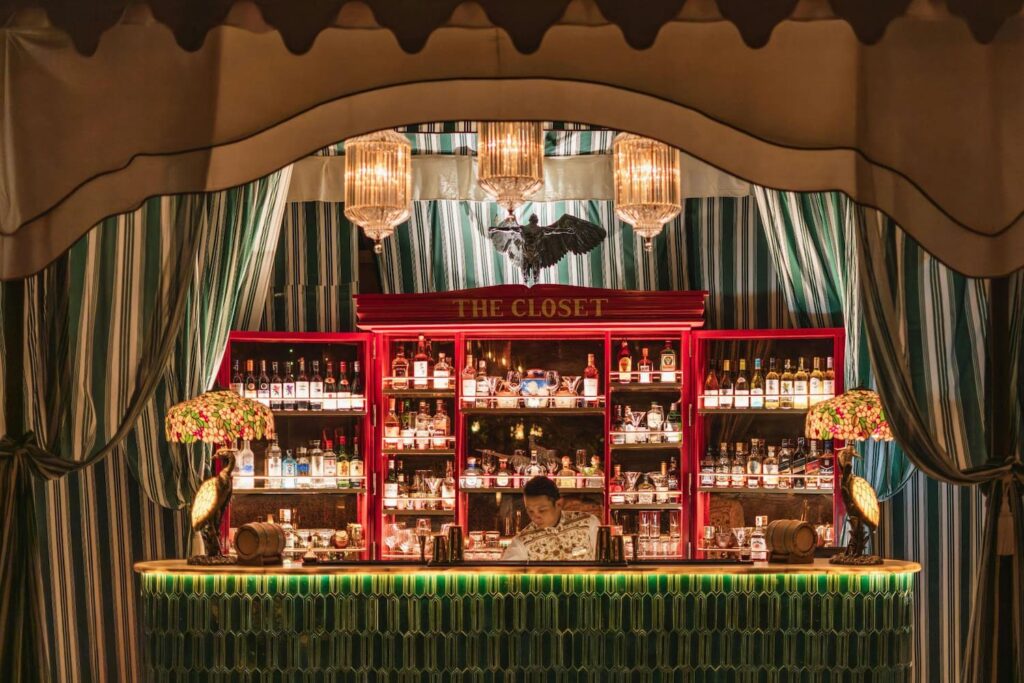
The truth is, when music is so good, listeners don’t have to know a single title to feel the atmosphere changing around them; it just happens.
Emotional Landscapes in a Single Song
Psychologists call these moods “emotional landscapes,” and that’s exactly what’s being painted here. Classical music paints one kind of terrain(reflective, almost ceremonial), whereas electronic beats create another, forward-leaning and high-tech. Rock pushes rebellion.
Yet fusion styles like Acoustic Alchemy’s build a layered landscape where several feelings can live at once, which is why they’re so useful in diverse venues.
The Spanish guitar lines hint at travel and romance. At the same time, the jazz harmonies signal intelligence and creativity, while world music textures suggest openness to culture and surprise. Because the instrumentation is mostly acoustic, it feels warm and human instead of overly digital. Together, these signals tell your brain, “This is a special place, stay a little longer.”
Venues crave that complexity because their guests aren’t all the same. Some want energy, others calm. Some want to feel classy, others adventurous. The right music can satisfy all of them without a single lyric.
What the Music Says About the Place
Music also sends quiet social signals. Without a word, it tells you what kind of establishment you’ve walked into. A club with heavy bass says, “Let go, don’t worry about tomorrow.” A wine bar with string quartets says, “Be elegant.” A gaming lounge with Acoustic Alchemy says, “we’re international, tasteful, a bit exclusive but still welcoming.”
And because the acoustic instruments matter too, the message is even stronger. Real guitars and hand percussion feel like craft, not mass production. In an age where so much sound is synthetic, that sense of authenticity rubs off on the rest of the experience.
Patrons unconsciously link the care taken with the music to the care taken with service, décor, and even the fairness of the games. Most guests don’t analyze any of this; they just feel comfortable staying longer, and as a result, often spend more.